Design & history / 6 min read
Why Japanese cameras feel so considered
A camera can be a tool, a system, or a small piece of industrial culture. The best Japanese examples often manage all three at once.
Published 2026-08-12 · Updated 2026-08-12
The phrase “Japanese camera” can sound too broad to be useful. Japan’s camera history includes professional systems, mass-market compacts, industrial experiments, and products that were designed to disappear into a pocket. What connects the strongest examples is not one shape or one technology, but a habit of making the user’s next action feel clear.
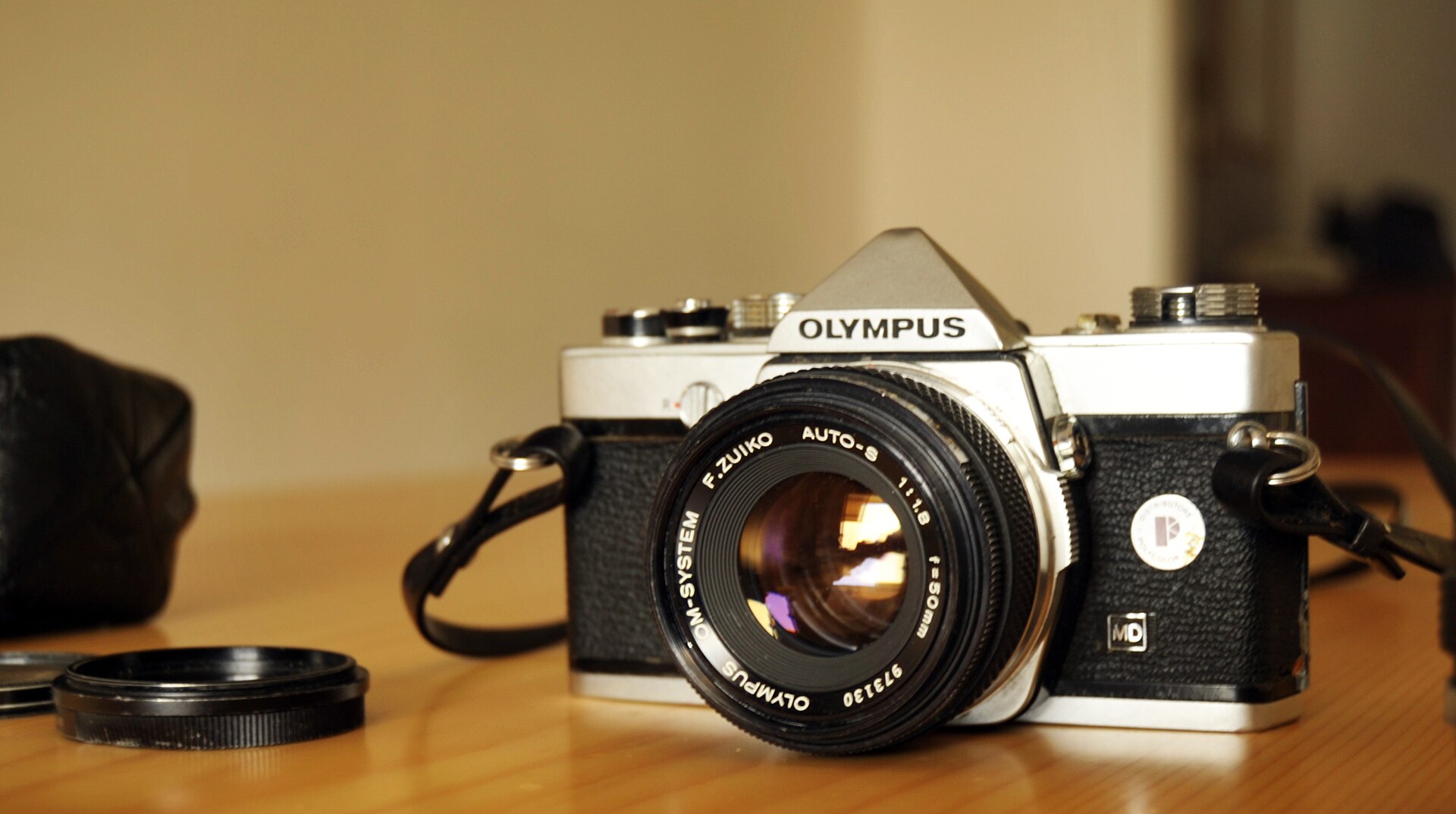
The Olympus OM-1 made smallness a professional proposition. The Nikon F3 made information legible without turning the top plate into a dashboard. The Ricoh GR1 made a fixed lens feel like a point of view rather than a limitation. Each camera is specific, and that specificity is the point.
JPN.CAM treats these cameras as entities before it treats them as content. A model belongs to a brand, an era, a format, a manufacturing story, and a set of related choices. The archive becomes useful when those relationships stay visible.
The editorial standard
JPN.CAM essays are written to add context to the structured index. Claims stay connected to records, and historical interpretation stays separate from verified specification.